





Registration
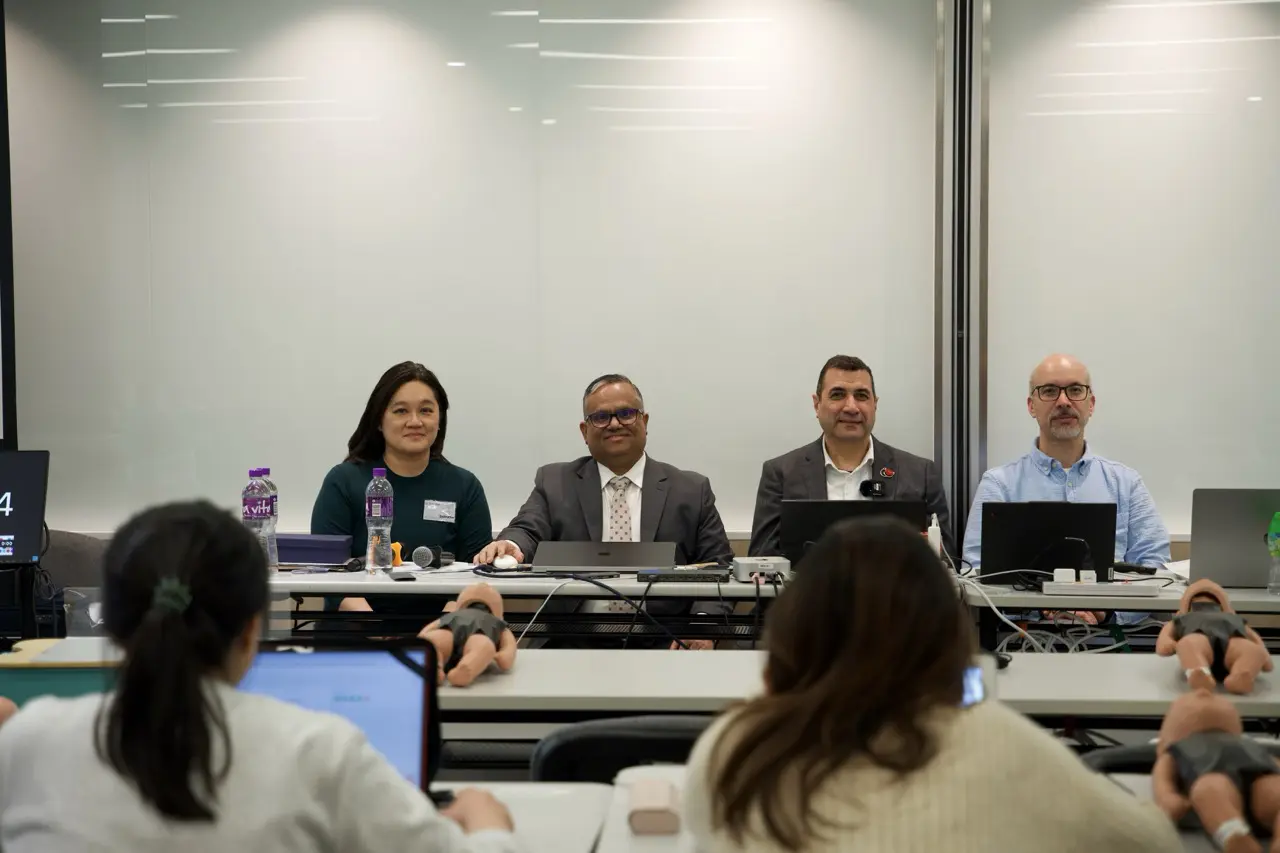
Inauguration and Orientation to the Workshop




Interactive Workshop On: Foundations of Neurocritical Assessment
Session: Cerebral Autoregulation and Neuroprotection
Case 1: Extremely preterm infant, 4 hours old, with falling NIRS values and rising lactate despite normal blood pressure
Coffee Break
Case 2: Preterm infant on CPAP with a mean blood pressure below gestational age but pink, active and well-perfused — treat the number or the physiology?
Case 3: Preterm infant with sudden swings in NIRS and blood pressure during surfactant administration
Case 4: Term infant, floppy and poorly responsive at 6 hours, with an unremarkable delivery history — which neuromonitoring tool first?
Case 5: Term infant with respiratory failure, poor perfusion and hypotonia — putting together the first integrated neurocritical assessment
Lunch Break
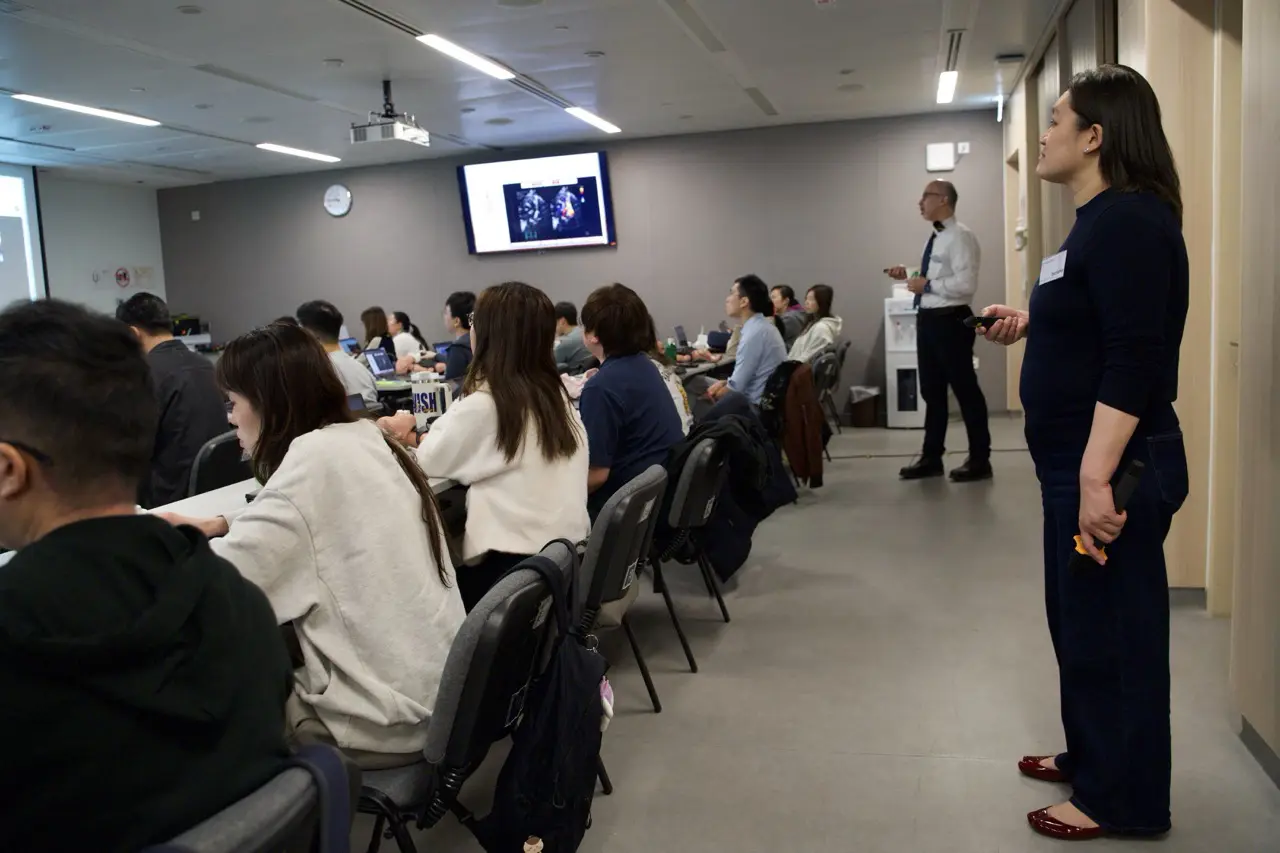
Session: Cranial Ultrasound and Grading of IVH
Interactive Workshop On: Foundations of Preterm Neurocritical Care
Case 6: Clinically stable preterm infant with an unexpected finding on the routine day-3 screening head ultrasound
Case 7: Extremely preterm infant on day 2 with a falling haematocrit, fluctuating perfusion and a changing scan over 24 hours
Coffee Break
Case 8: Ex-preterm infant, week 3, with rising head circumference, splaying sutures and increasing apnoeas on serial review
Case 9: Ex-preterm infant approaching term with abnormal tone and poor feeding despite serial reassuring head ultrasounds
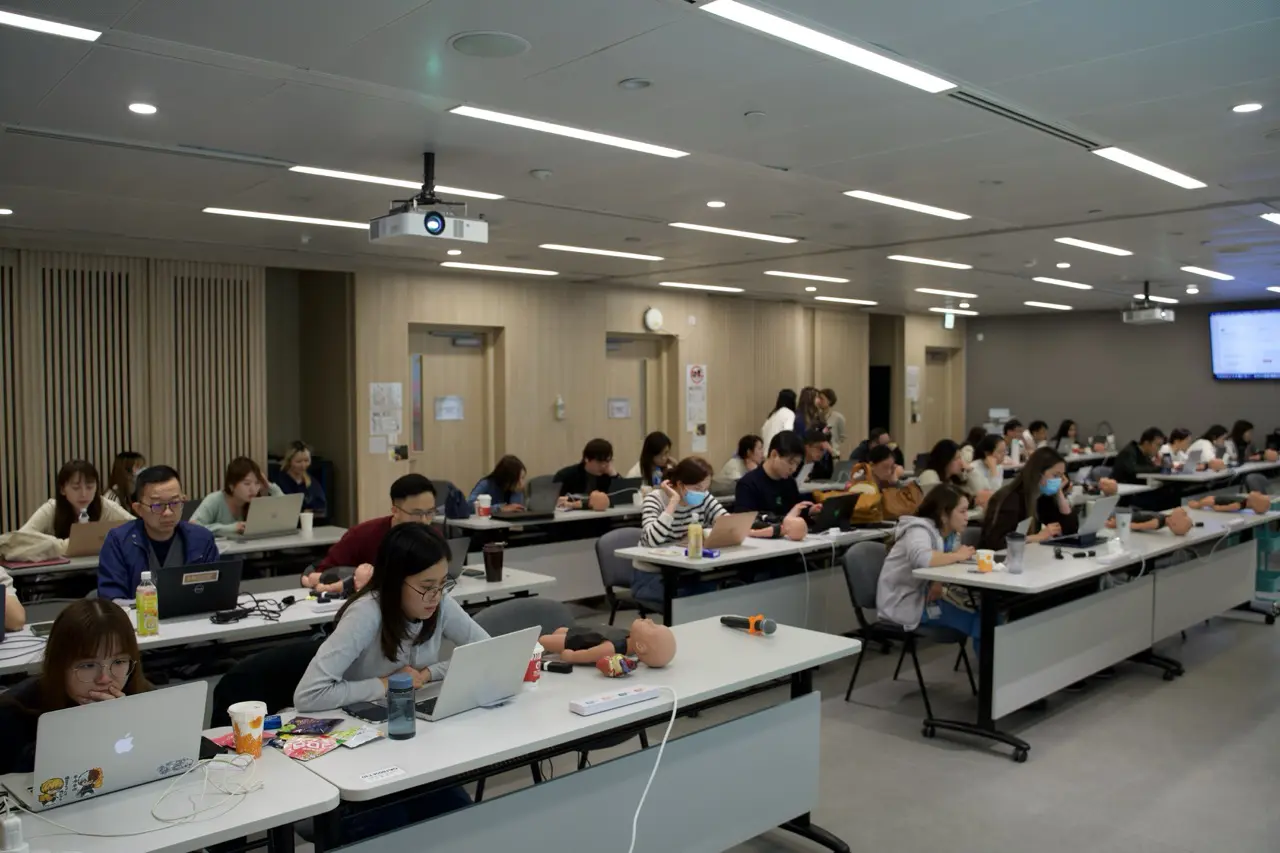
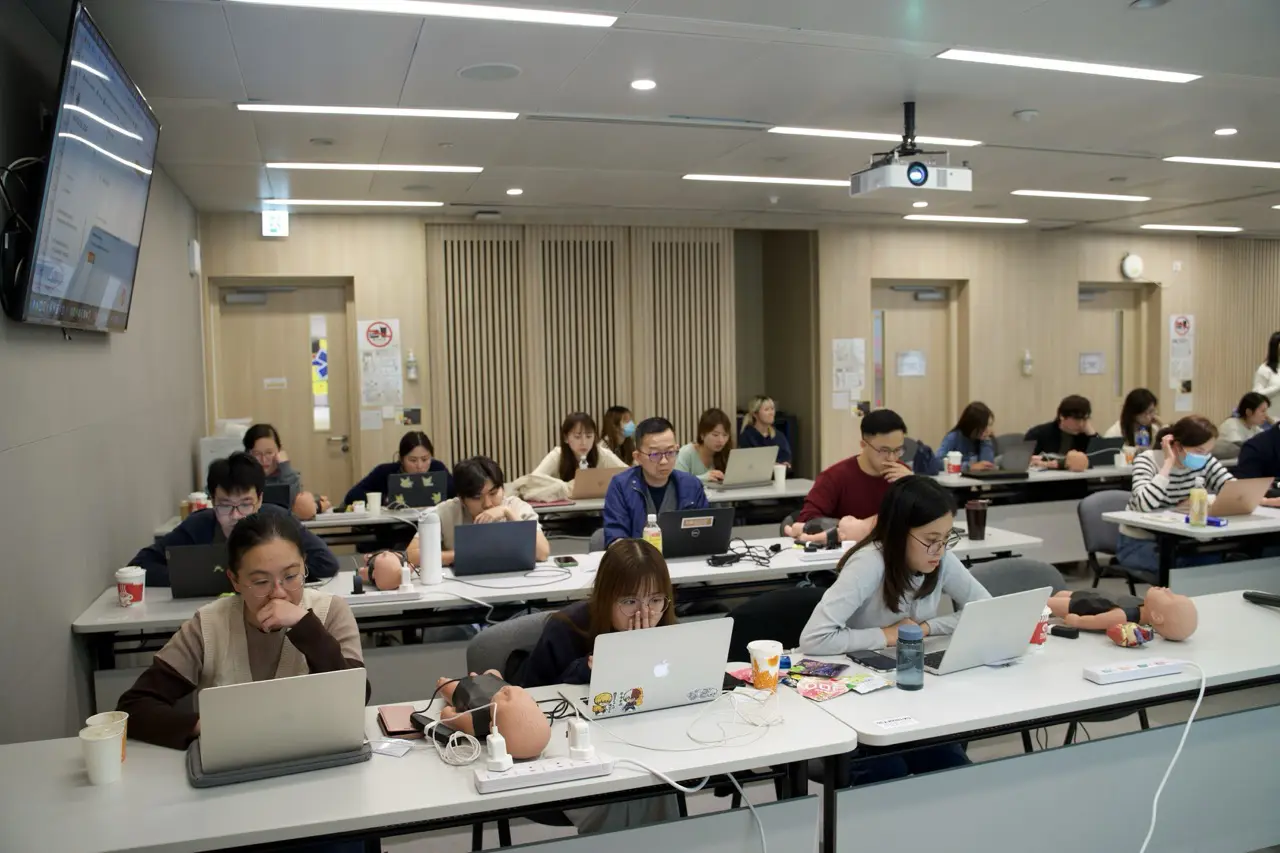
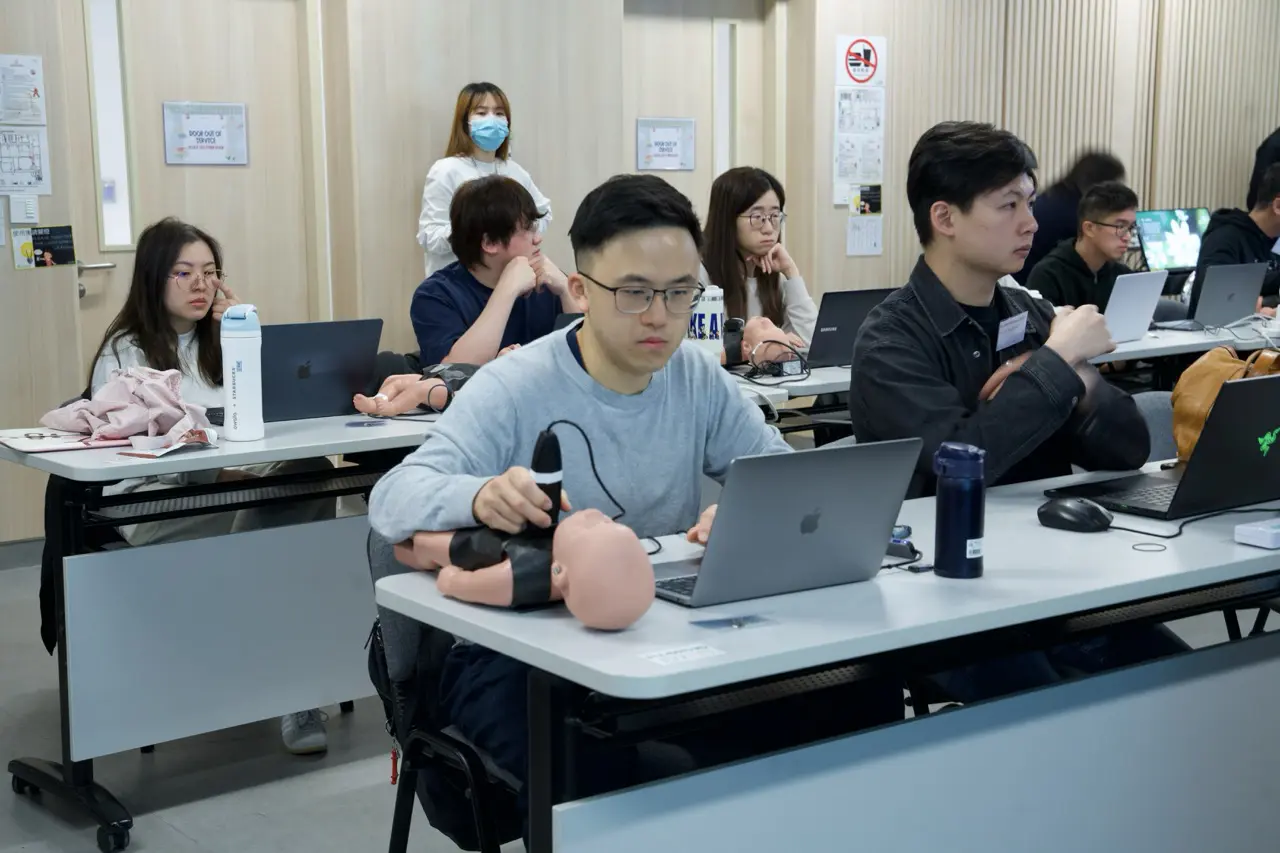
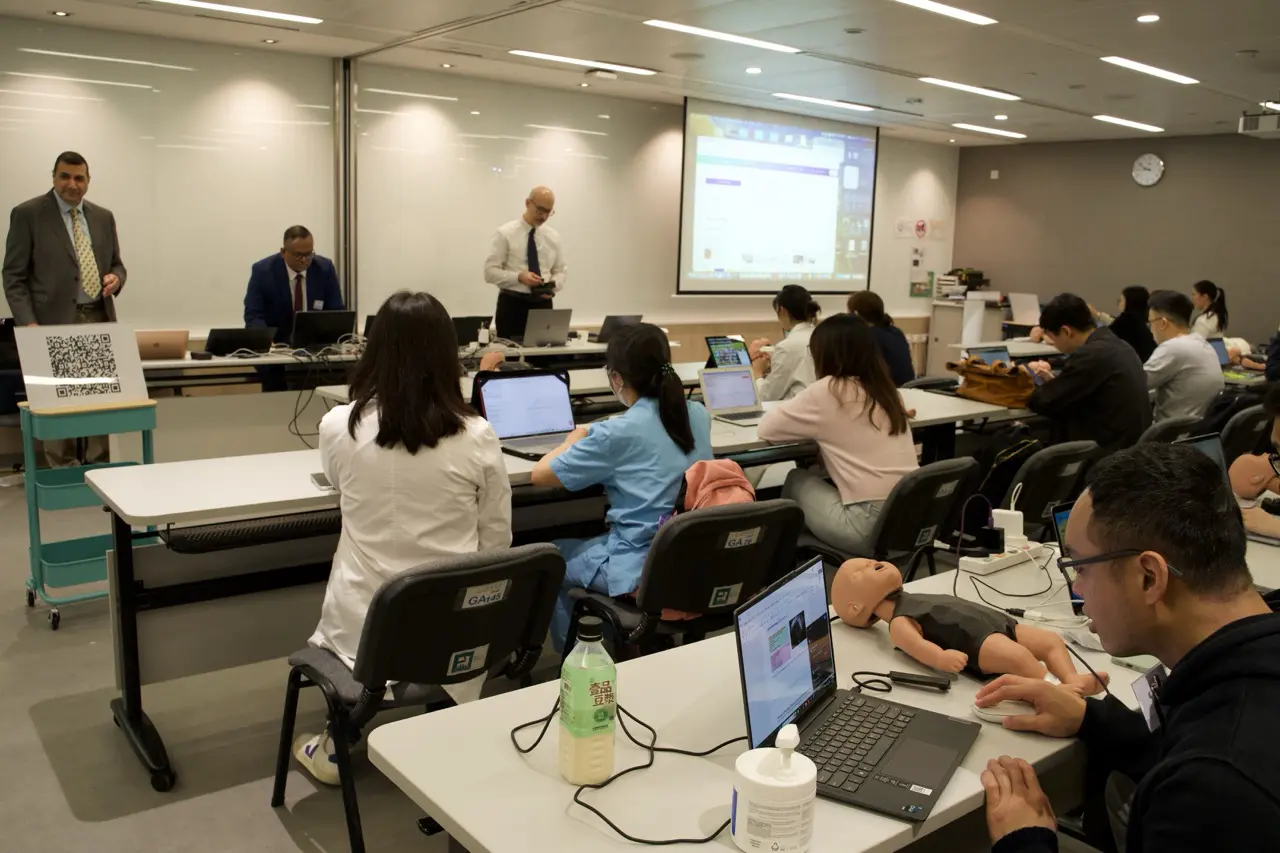
Hands-on Training: Practical Small Group Sessions
Small Group Session 1: Cranial Ultrasound (Basics)
Small Group Session 2: NIRS Monitoring (Basics)
Small Group Session 3: aEEG (Basics)
Q&A Final Discussions, Feedback
End of Sessions – Day 1
Registration
Interactive Workshop On: Neurocritical Care in Term Infants with HIE
Session: Multisystem Management of HIE
Session: aEEG and EEG Interpretation
Case 1: Term infant with poor Apgar scores, cord pH 6.9 and an abnormal neurological exam at 1 hour — what next, and how fast?
Coffee Break
Case 2: Cooled term infant at 24 hours with worsening hypoxaemia and a widening pre–post-ductal saturation gap
Case 3: Cooled term infant, clinically quiet, with recurrent abnormal runs on the aEEG trace and nothing to see at the bedside
Case 4: Previously well term infant with rhythmic jerking of one arm at 18 hours of age
Case 5: Term infant with hypotonia, lactic acidosis and an abnormal EEG — but a normal cord gas and an uneventful delivery
Lunch Break
Interactive Workshop On: Advanced Integrated Neurocritical Care
Case 6: Cooled asphyxiated infant with hypotension, worsening oxygenation, falling NIRS and new seizures — what do you fix first?
Case 7: Cooled infant at 72 hours with a persistently flat trace and absent responses — preparing for the family conference
Case 8: Extremely preterm infant with recurrent cerebral desaturations every time they are handled
Coffee Break
Case 9: Grand Integrated Neurocritical Simulation (Capstone) — deteriorating cooled infant with seizures, shock, refractory hypoxaemia and multiorgan involvement
Hands-on Training: Practical Small Group Sessions
Small Group Session 1: Cranial Ultrasound (Advanced)
Small Group Session 2: NIRS Monitoring (Advanced)
Small Group Session 3: aEEG (Advanced)
CNPOCUS Quiz (Neurocritical Care & Cranial POCUS)
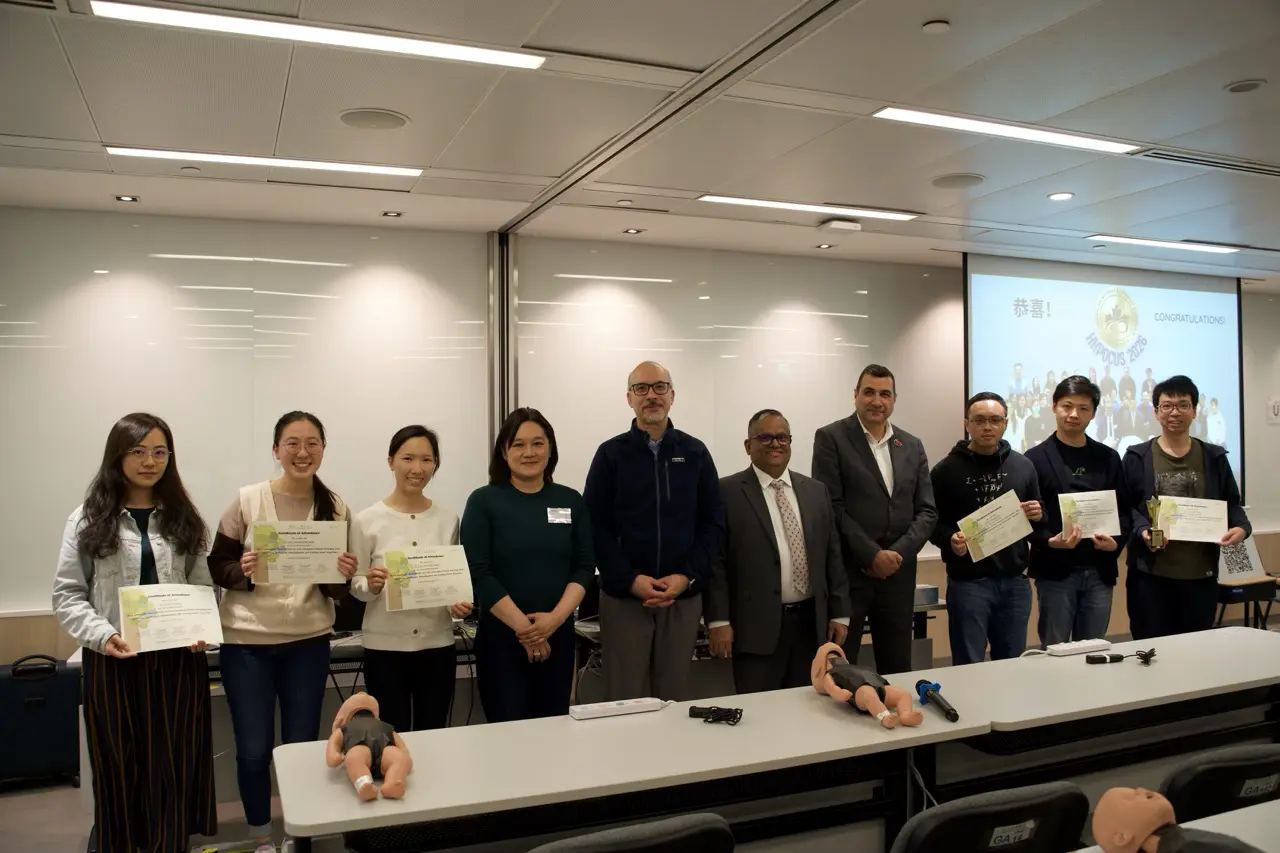
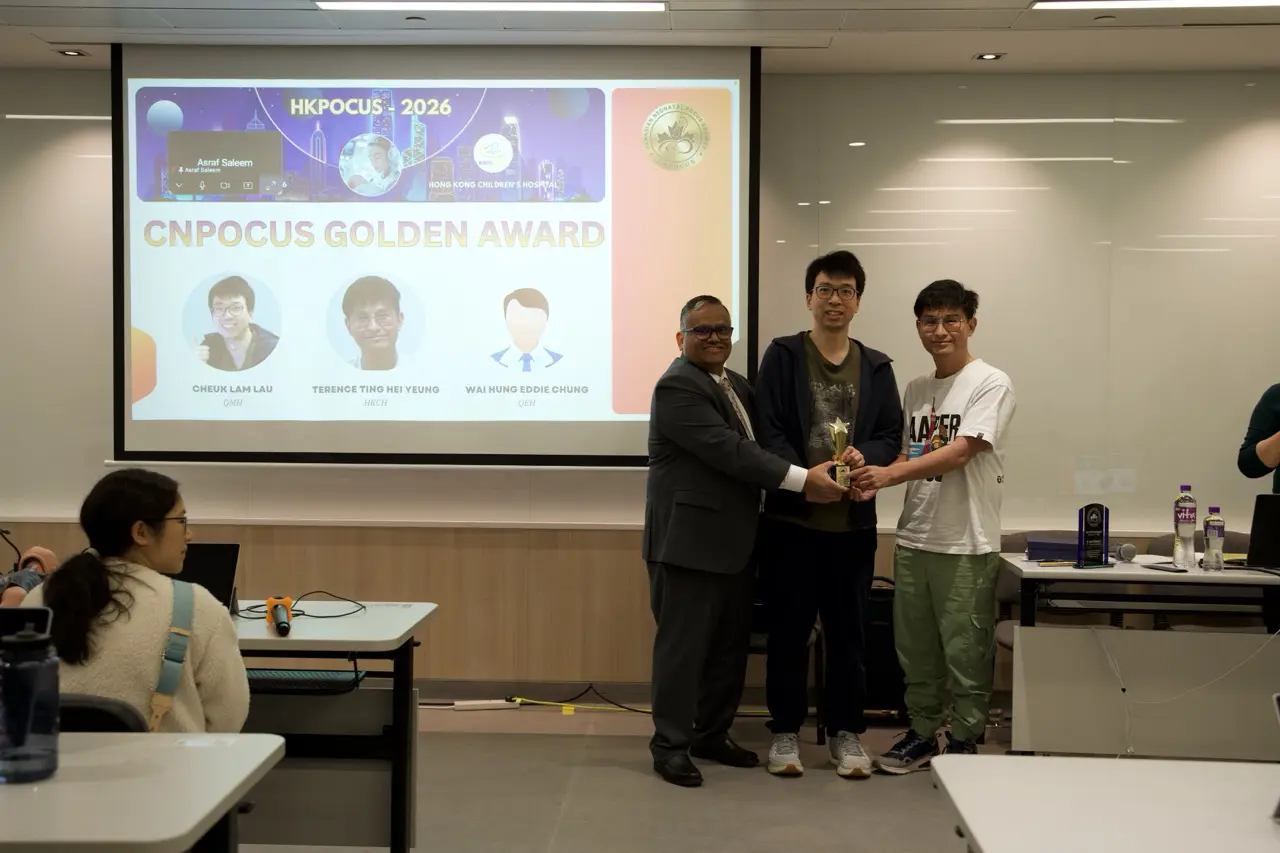
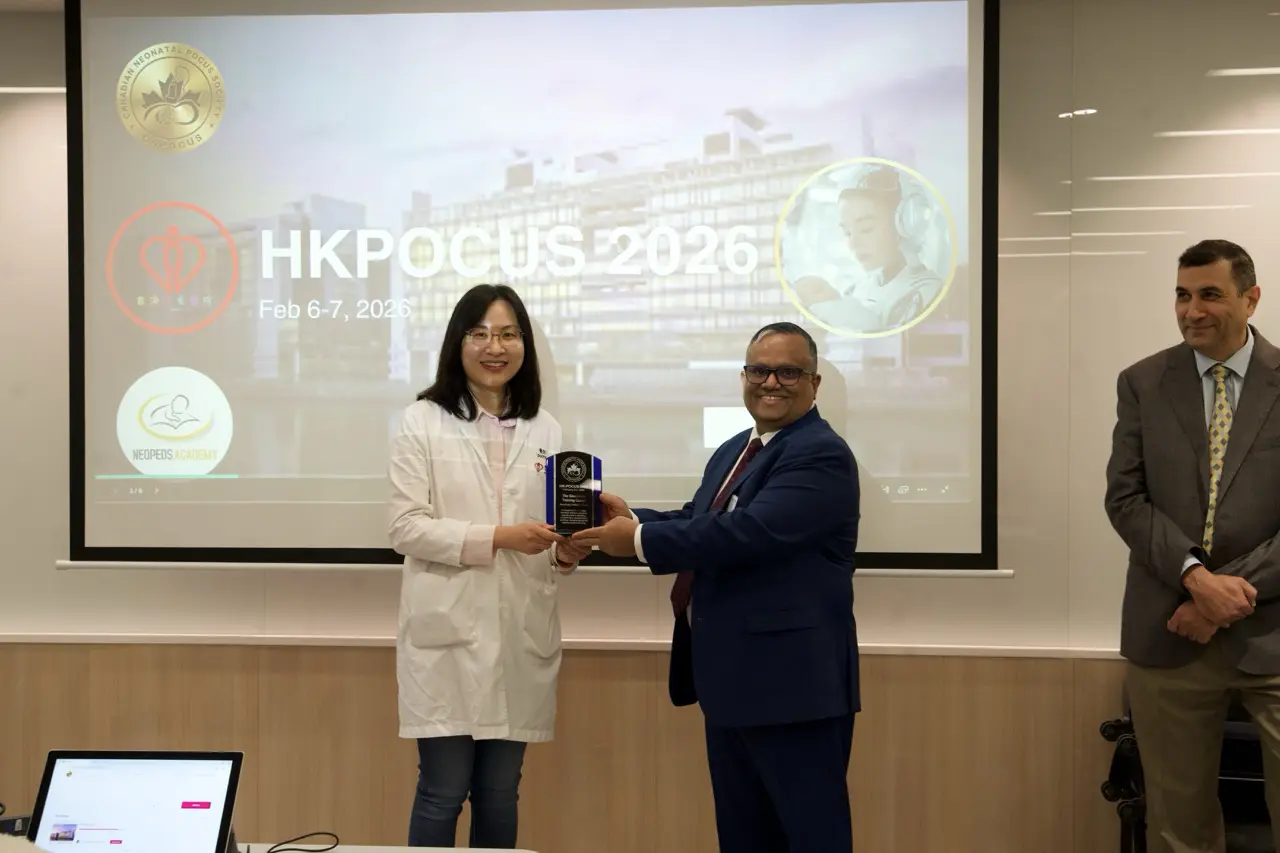
Announcing CNPOCUS Academic Recognition Award Winner
Q&A Final Discussions, Feedback
End of Sessions – Day 2