Featured Course

Abdominal POCUS

IUS001

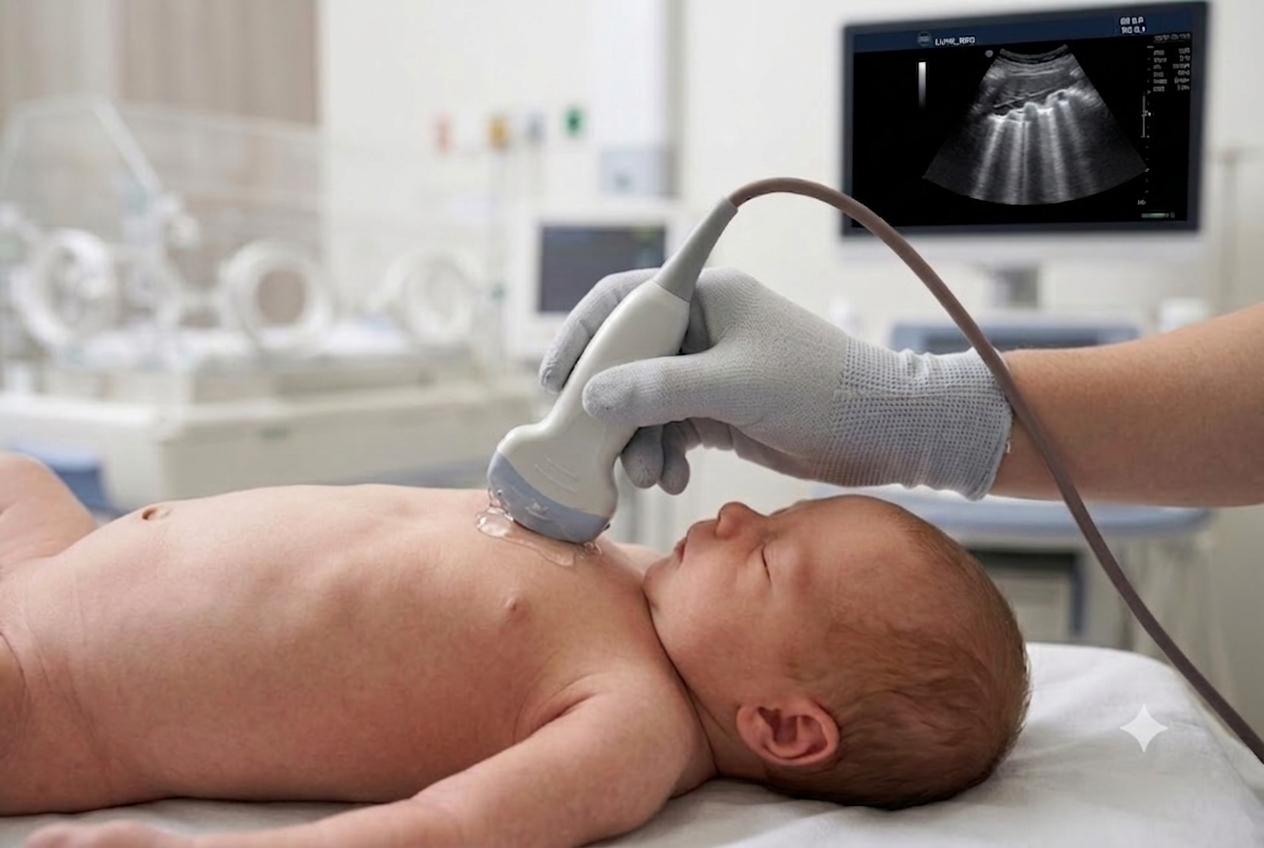
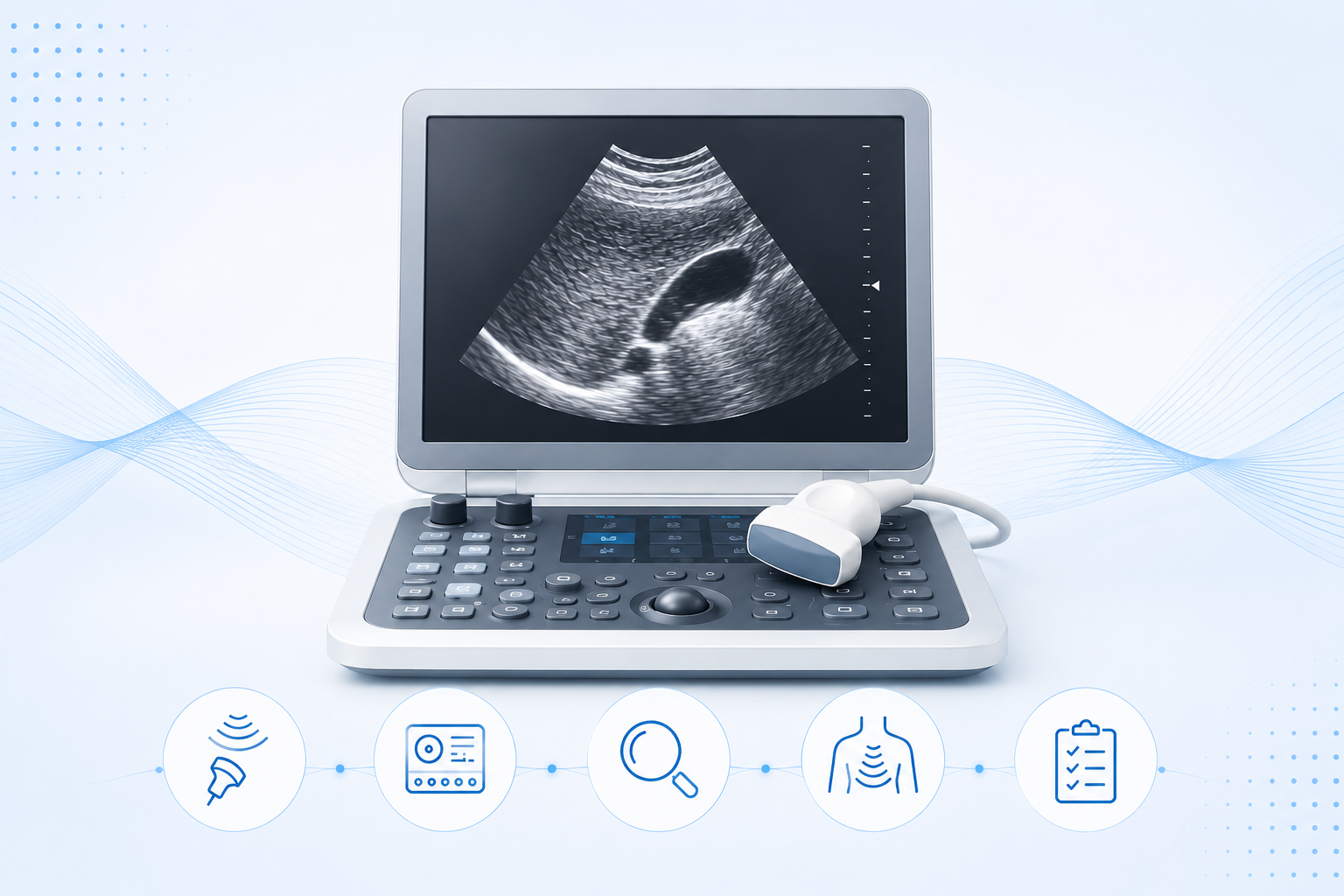
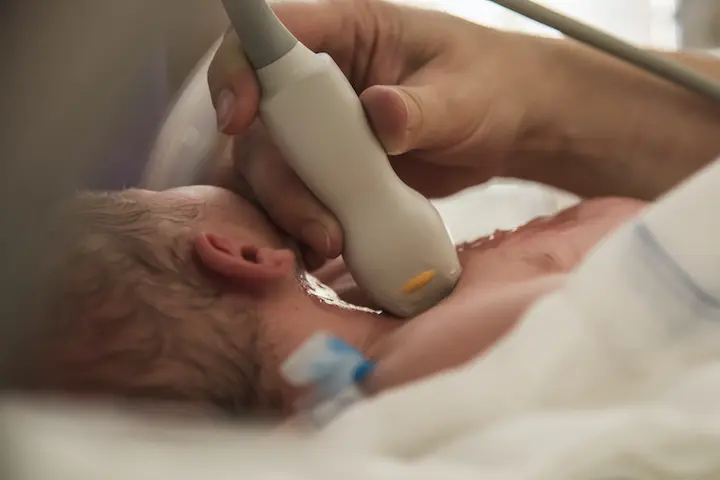
This course is designed to provide healthcare professionals, including pediatricians, neonatologists, and emergency medicine specialists, with the knowledge and skills needed to perform and interpret abdominal point-of-care ultrasound (POCUS) in pediatric and neonatal patients. The course will cover the basic principles of ultrasound technology and the clinical indications for using POCUS in these populations.


Course Access Period: The course access starts with your purchase, and you will have a 30-day period to complete the course.

Course Instructors
Dr Abdul Alim Abdul Haium
Dr-Gani-profile-4
Dr-Yasser-Elsayed-profile-1
Dr-Nadya-New
Dr-ASEM-LASHIN-New-1
Overview

About the Course

Build confidence in neonatal abdominal POCUS through practical techniques, interpretation, indications, and supervised application.


Objectives:

After completing this course, you will be able to answer:
  • Demonstrate the scope and indications of Abdominal POCUS
  • Demonstrate the technique for each application.
  • Demonstrate limitations and interpretation of each marker.
  • Start practice under supervision.
Course Includes
USD 99.00
Curriculum

Course Content

This module introduces the fundamental principles of ultrasound physics, including wave propagation, reflection, refraction, and attenuation. Learners will explore how these physical properties enable imaging and how manipulating parameters can optimize image quality.


This module provides a foundational overview of abdominal POCUS, emphasizing its rapid, bedside utility in clinical practice. Participants will learn essential scanning techniques and protocols, setting the stage for more specialized imaging skills.

Focusing on three critical abdominal organs, this module covers the imaging characteristics of the liver, spleen, and kidneys. Participants will learn to distinguish between normal and pathological findings, with a focus on practical assessment skills.

This module addresses the role of ultrasound in diagnosing upper gastrointestinal disorders. Learners will review key sonographic markers and learn protocols for assessing these specific conditions to enhance diagnostic accuracy.

Here, learners explore the triggers and pathophysiological mechanisms that lead to abnormal ultrasound markers. Understanding these foundations will enhance interpretation skills and support more precise clinical decision-making.

This module dives into the ultrasound indicators of gut injury, offering insight into their appearance and significance. Through case studies and imaging examples, learners will develop the ability to recognize and interpret these markers in clinical practice.

This module links ultrasound findings to management strategies for gut injuries. Participants will gain knowledge on how to utilize ultrasound not only for diagnosis but also for guiding and evaluating treatment interventions in gut pathology.

This final module covers the versatile applications of ultrasound in surgical settings. From assisting in preoperative evaluation to guiding intraoperative procedures and postoperative follow-up, learners will understand ultrasound’s integral role in surgical care.

Faculty

Course Instructors

Dr. Hanifi Soylu

Dr. Hanifi Soylu

Neonatal Physician
University of Manitoba
Winnipeg, Canada
Prof. Yasser Elsayed

Prof. Yasser Elsayed

Professor
University of Manitoba
Winnipeg, Canada
Similar

Other Courses

Master the fundamentals of neonatal lung ultrasound, including ultrasound language, scanning techniques, lung ultrasound

USD 99.00

Master the fundamentals of ultrasound physics, image formation, Doppler principles, and image optimization through

USD 99.00

Master foundational neonatal hemodynamics, echocardiography, blood pressure assessment, and physiology through practical interactive learning.

USD 99.00

Build confidence assessing neonatal hemodynamics and managing complex cardiovascular conditions through advanced echocardiographic skills.

USD 99.00
x